Depending on your age, you might not remember a beloved British actor, Jack Wild, who made a name for himself as the Artful Dodger in the movie version of Oliver! Despite serious success as a young star of stage and screen, Wild’s story ended tragically.
Diagnosed with oral cancer, he died at the age of 53, despite doing everything he could, including the surgical removal of his tongue and voice box, which left him unable to speak for the final two years of his life.
Before he passed away, Wild emphasized the importance of oral cancer awareness, specifically the ability to recognize symptoms, to prevent or effectively treat the disease: “Until I was diagnosed with mouth cancer, I’d never heard of it.”
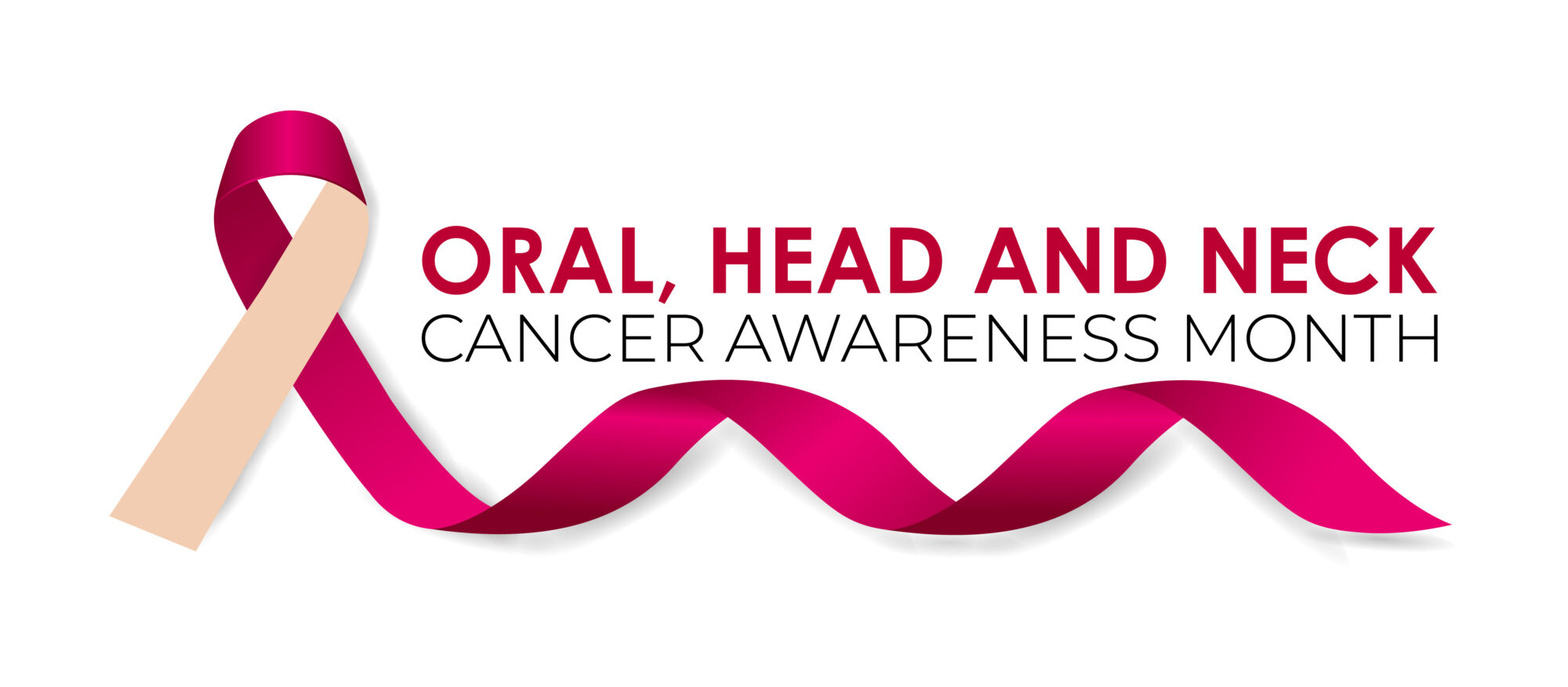
Why are we sharing such a bleak story? Simply because April marks Oral Cancer Awareness Month and in honor of Jack Wild’s plea for increased awareness, and all those who have suffered from or succumbed to this terrible disease, we want to share some facts about oral cancer.
DYK? Facts About Oral Cancer
According to Indiana University Health, more than 59,000 people in the United States are diagnosed with oral cancer annually and, Deanna Prine, Health Impact consultant at IUH, points to a specific habit that could be to blame for many of those cases: smoking.
Prine explains:
“Cigarettes, cigars, smokeless tobacco, pouches and other nicotine products expose the mouth’s tissues directly to carcinogens and dozens of cancer-causing chemicals that can damage DNA over time. Quitting tobacco and nicotine can significantly reduce the risk of oral cancer. Research shows that as the body begins repairing itself after quitting, the risk of oral cancer declines over time.”
Indeed, Wild attested to this, saying, “What I learned very quickly was that my lifestyle had made me a walking time bomb.”
Not a smoker? You’re not necessarily in the clear: new research shows that HPV is now the leading cause of oral cancers, attributed to 60-70% of cases diagnosed in the U.S.
Fortunately, when detected early, oral cancer survival rates range between 80-90%; however, more than 50% of patients are diagnosed at advanced stages.
Subtle Signs to Watch for
Like so many cancers, the difficulty with oral cancer is that it typically develops quietly, with symptoms going unnoticed for far too long, which explains why so many cases are not detected until advanced stages.
Generally, oral cancer symptoms may present as an inability of an ulcer or sore to heal within 14 days, any discoloration of oral tissues, lumps or masses either inside the mouth or neck, along with trouble chewing, swallowing or speaking. Other symptoms like persistent hoarseness and earaches that do not resolve might be indicative of oral cancer as well.
The purpose of this post is not to scare you but to empower you with education and awareness that will, hopefully, encourage you to commit to consistent dental cleanings with our team. In addition to smoking cessation, preventative care is your best line of defense against oral cancer.
Request your next appointment or contact us today with any questions. We’re here to support you!